⊕ Patents
01Patent-Pending · 48V DC
I build sustainable hardware for the people who’ll actually use it: a patent-pending DC power system, a nonprofit that has kept 1,545 lbs of e-waste out of landfills, and robotics research at WPI.
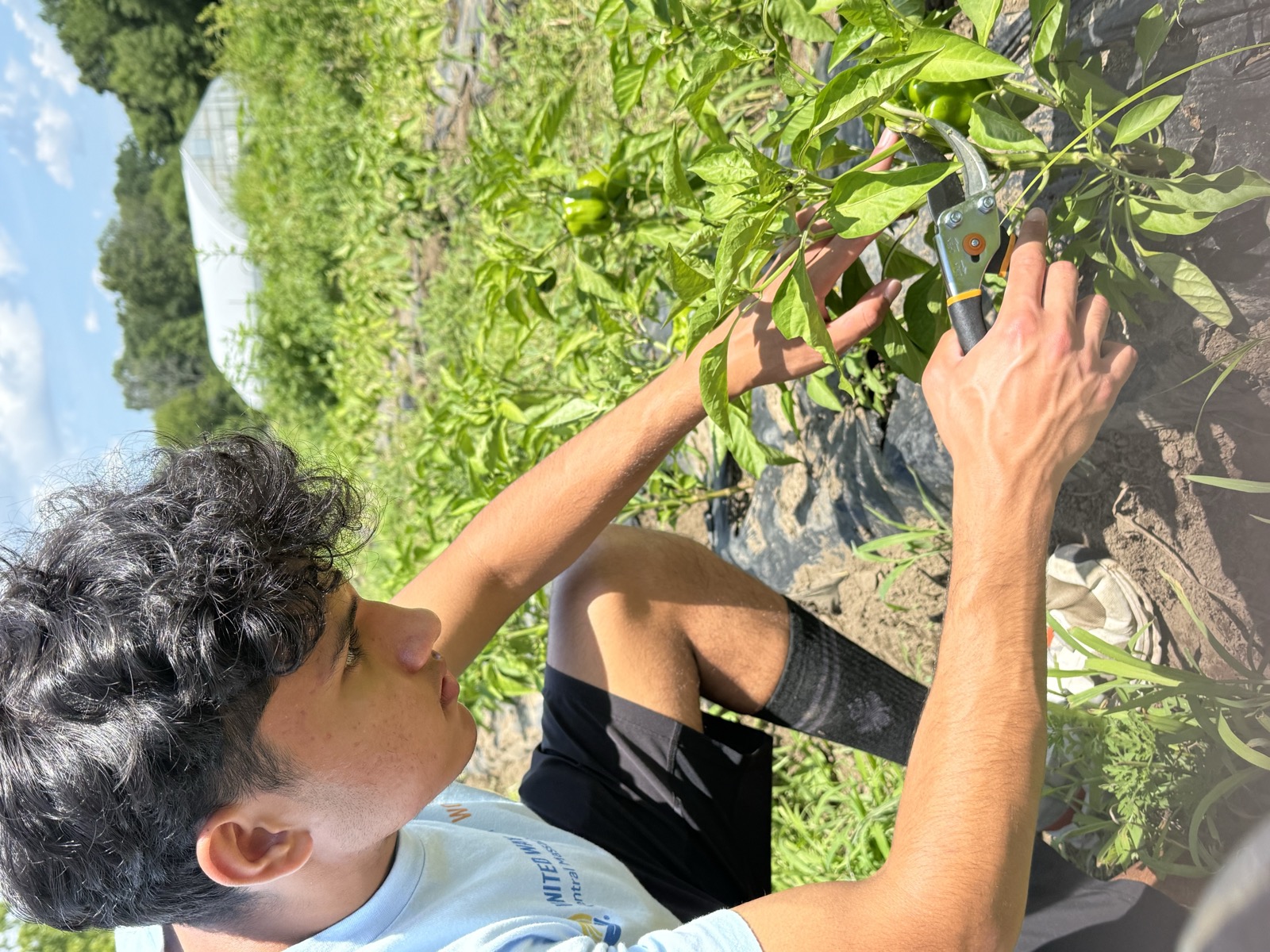
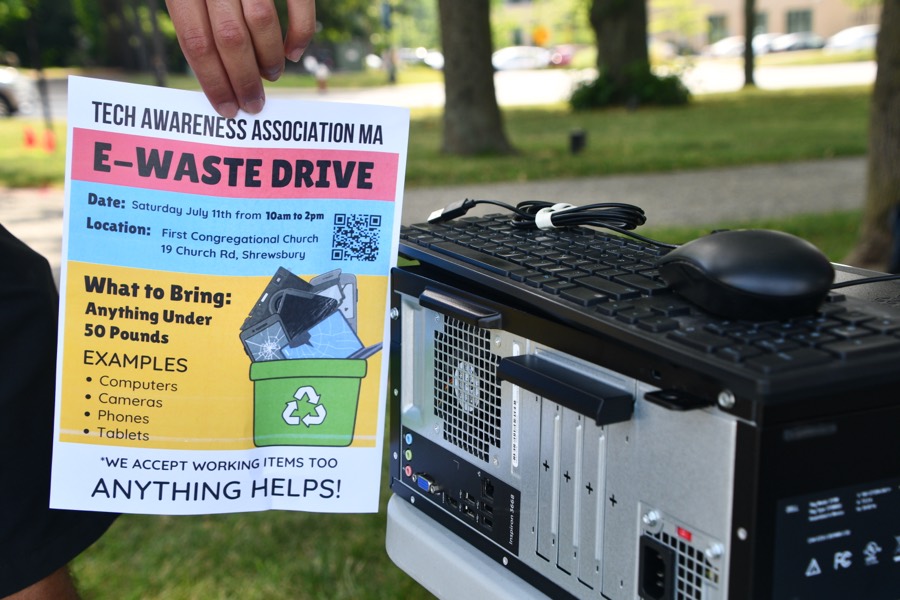
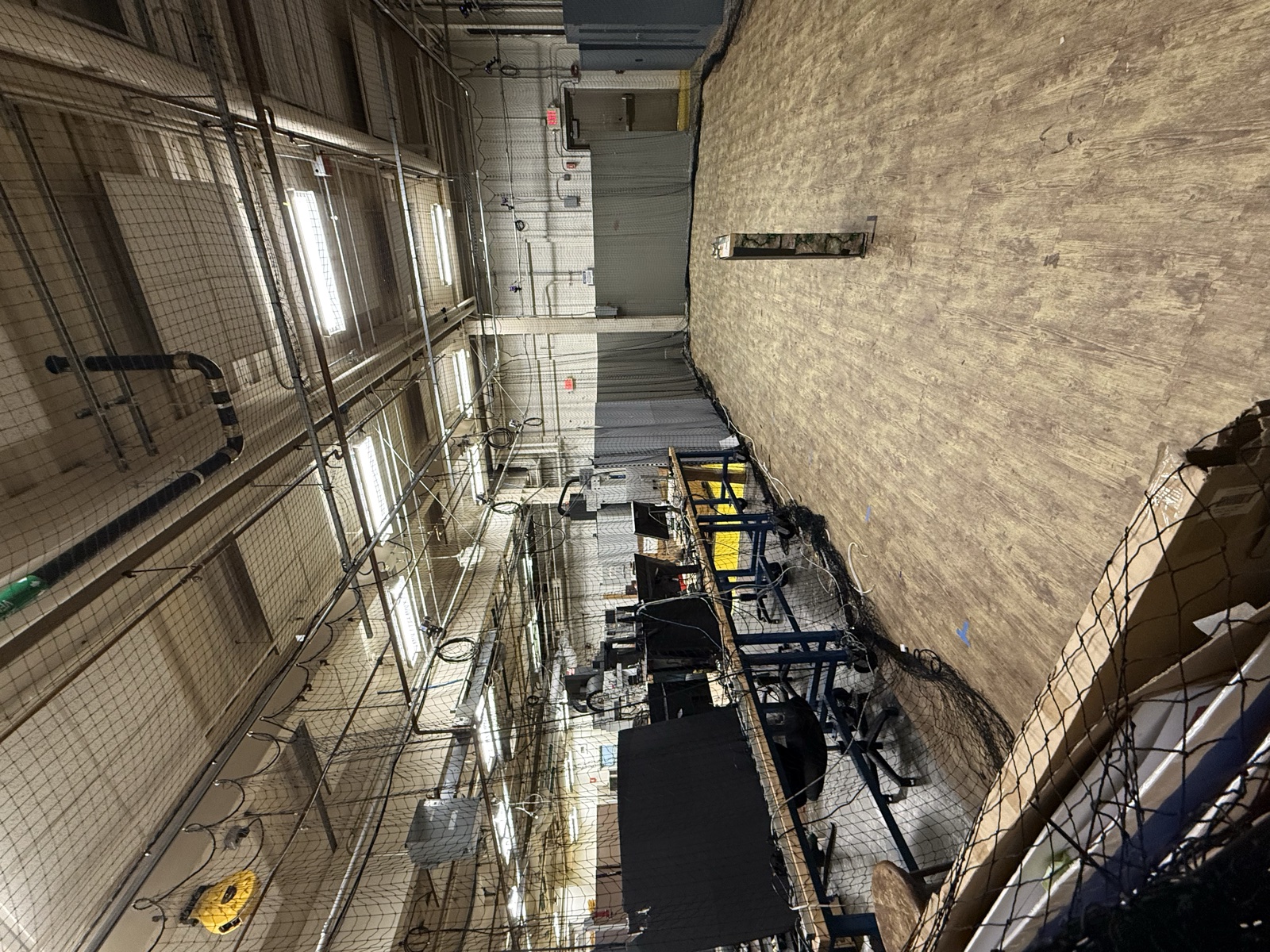
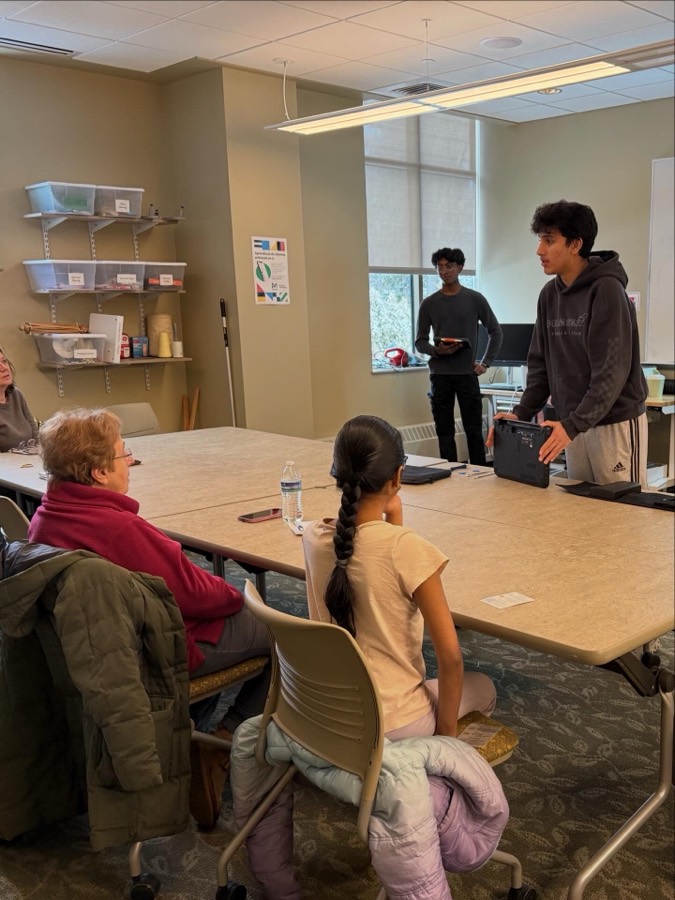
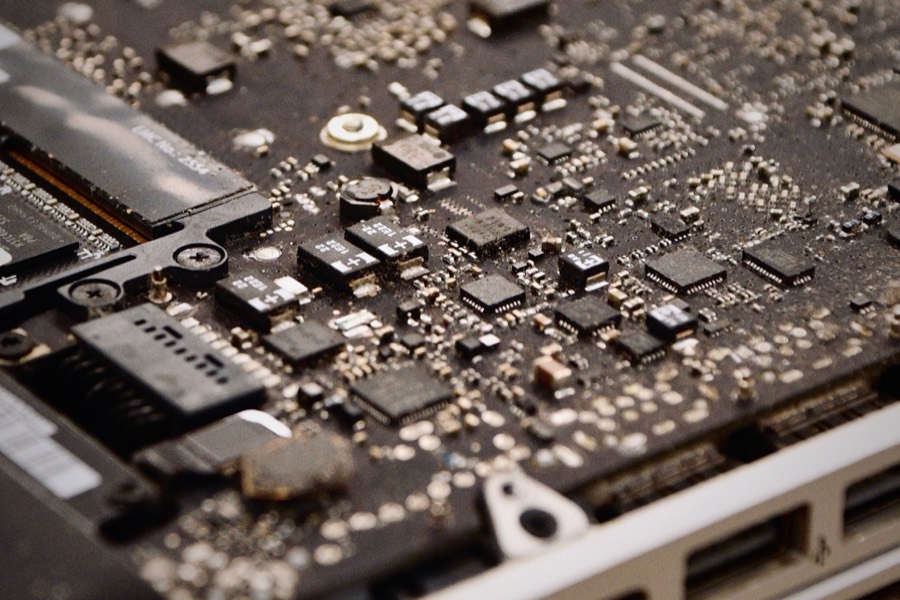
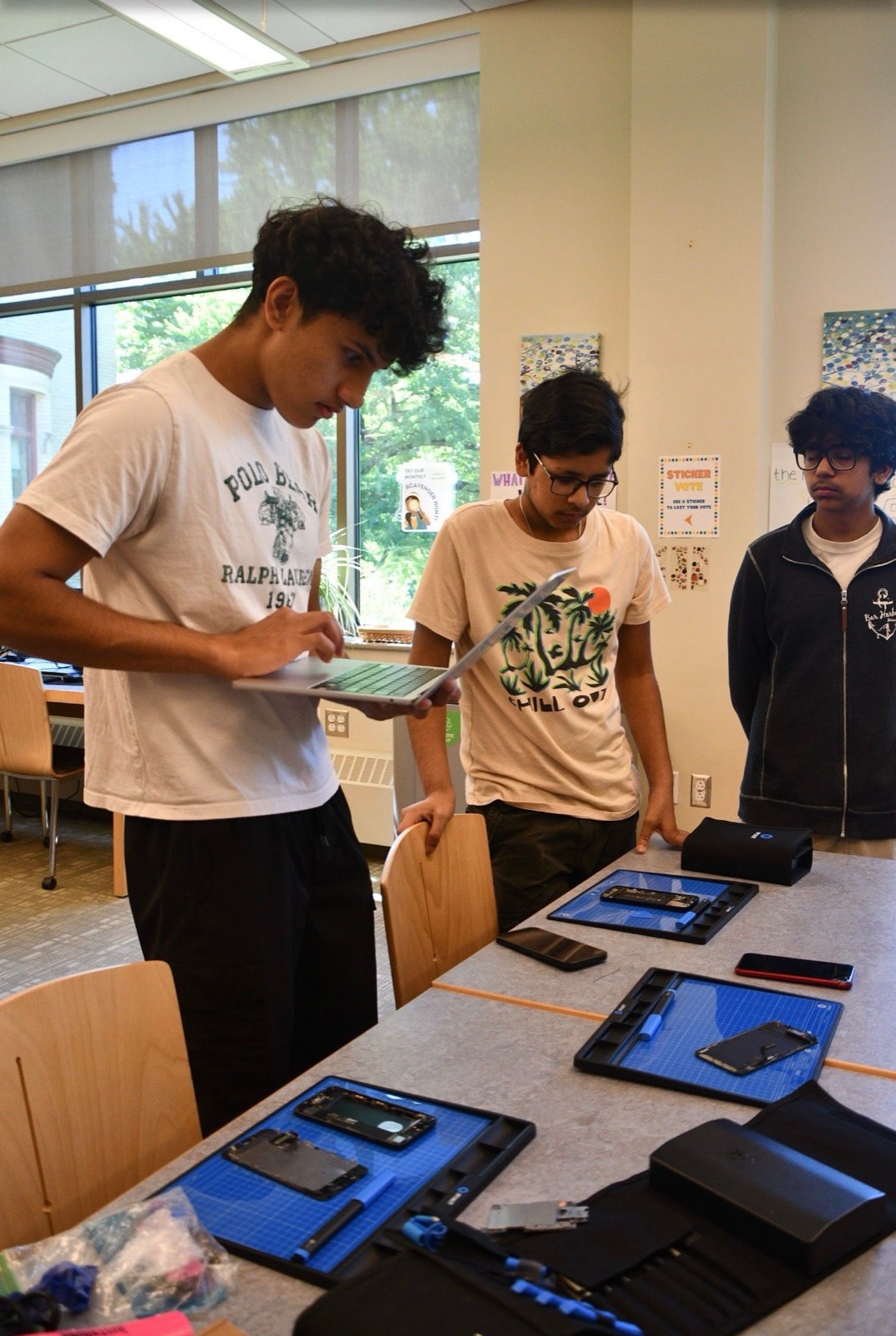
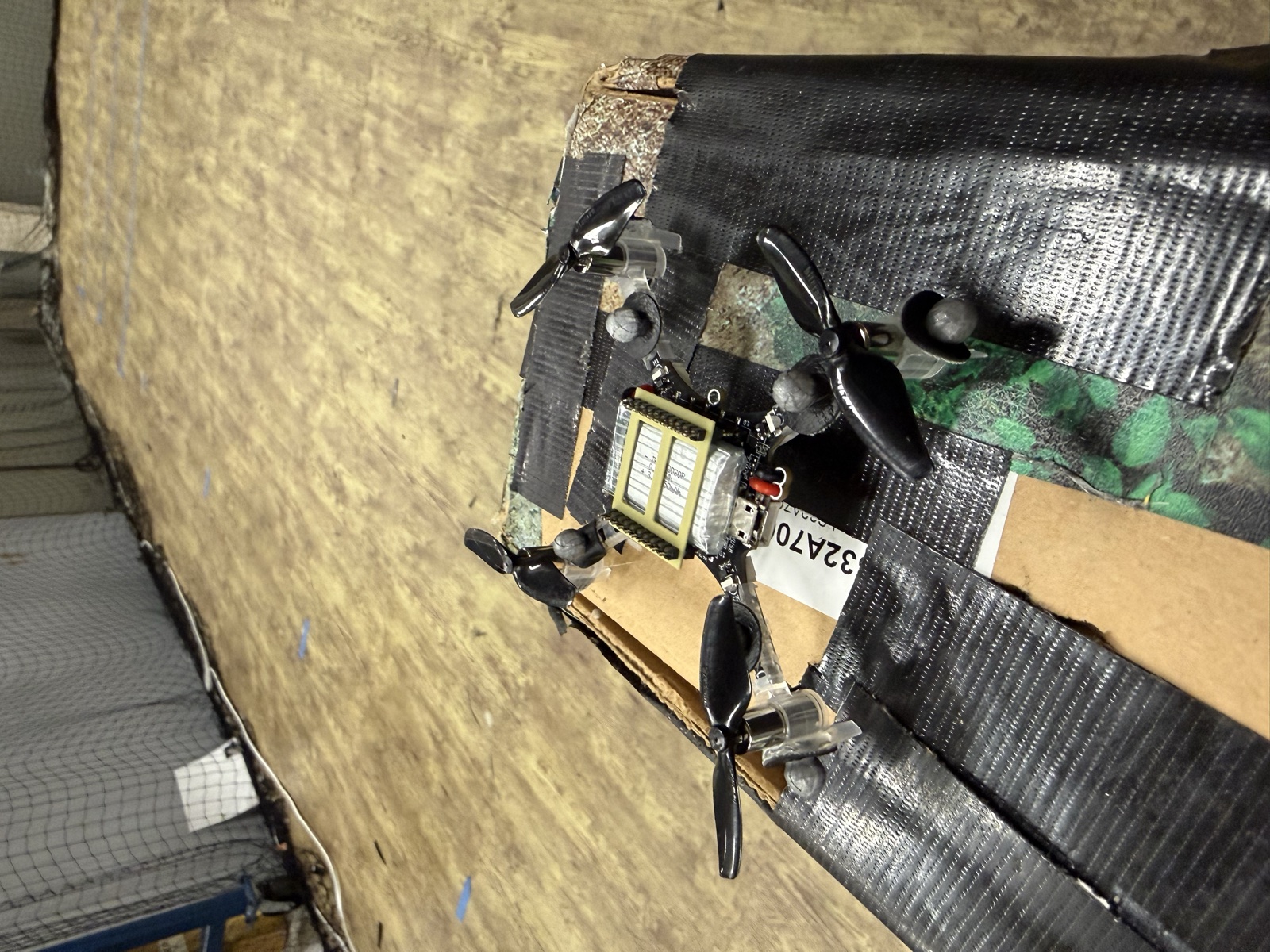
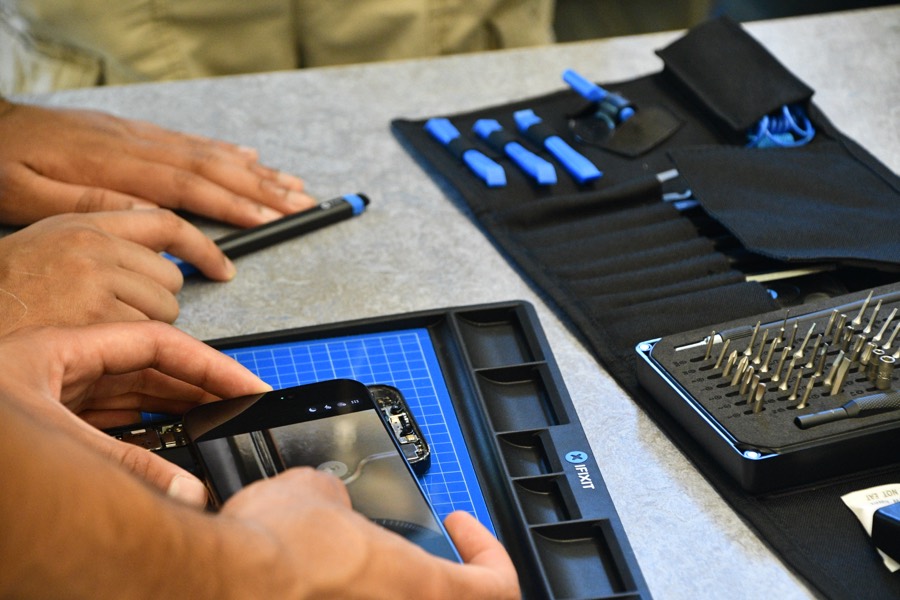
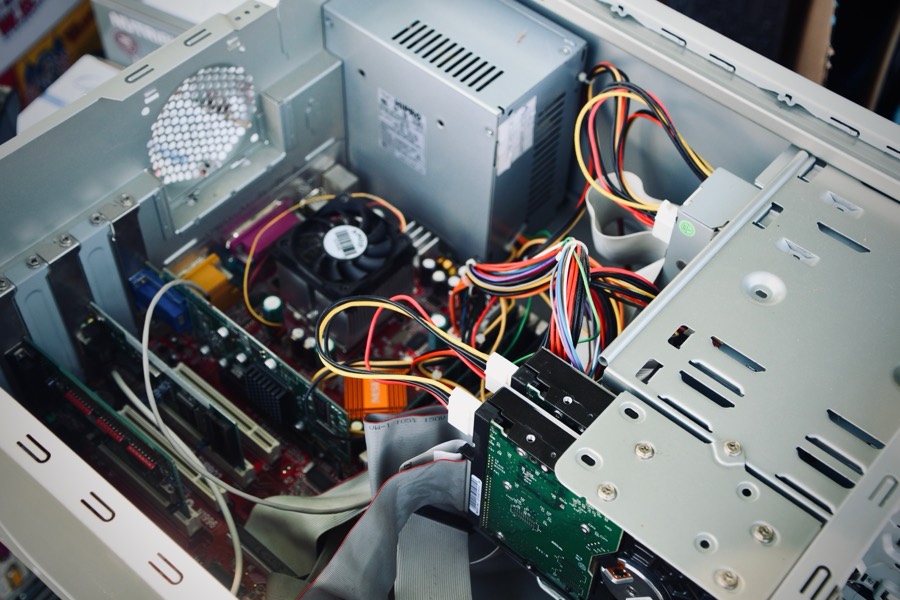
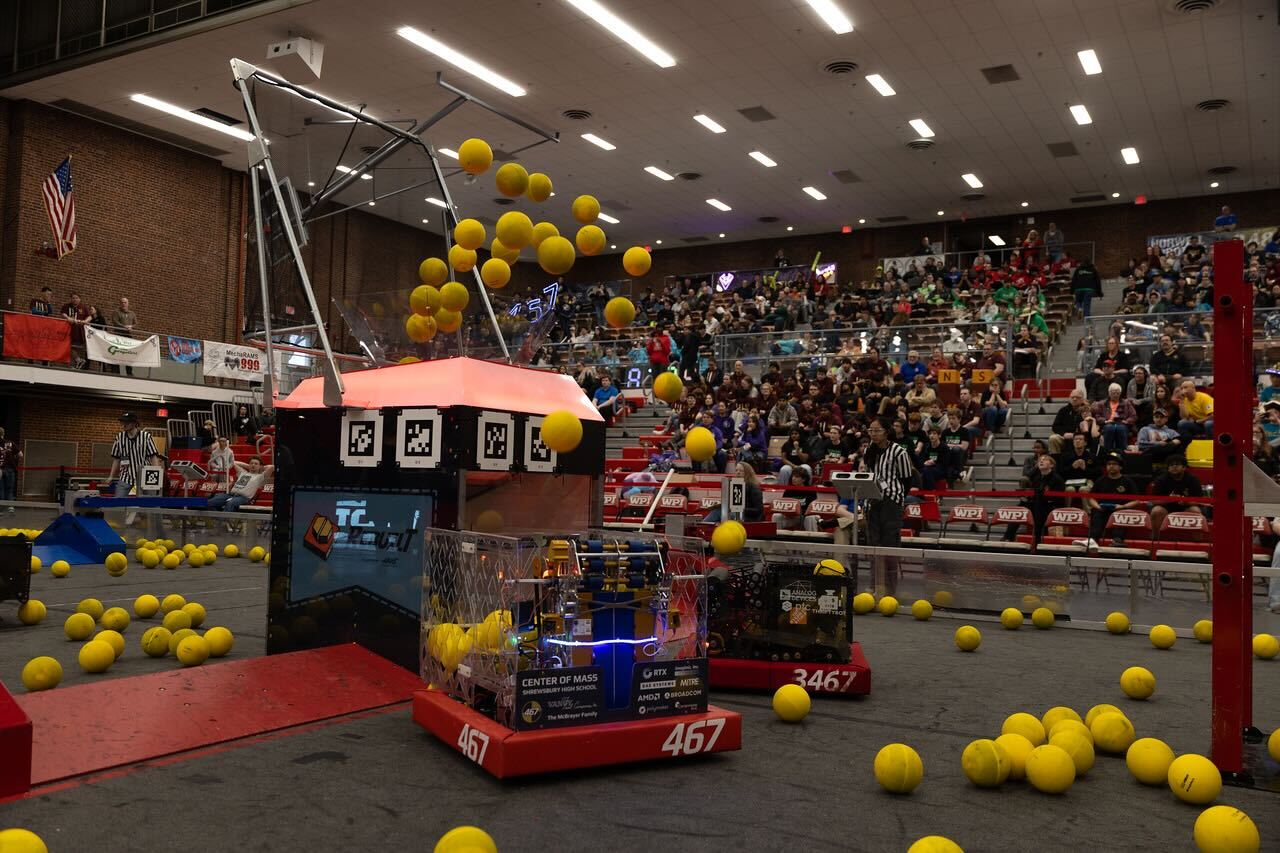
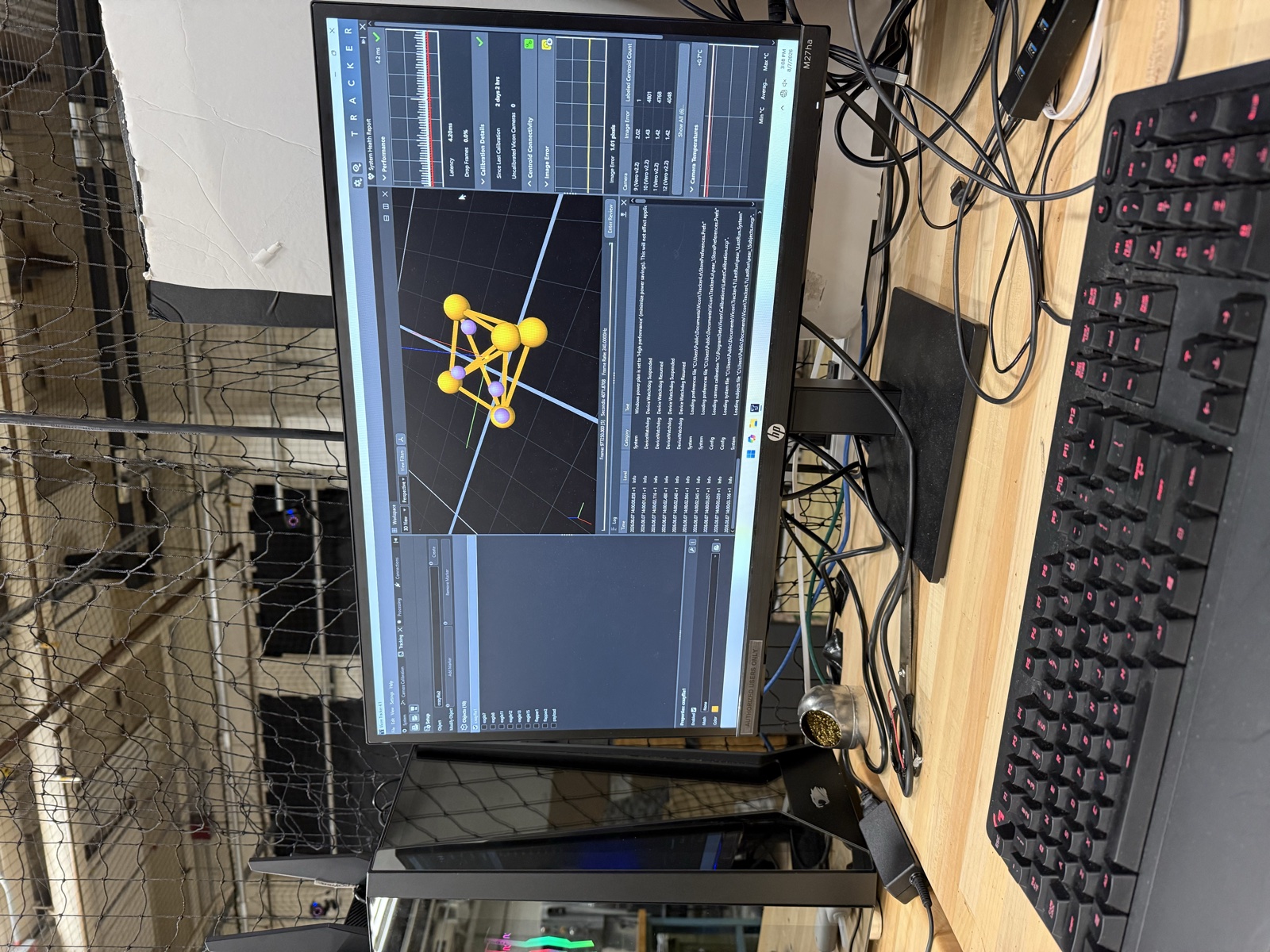
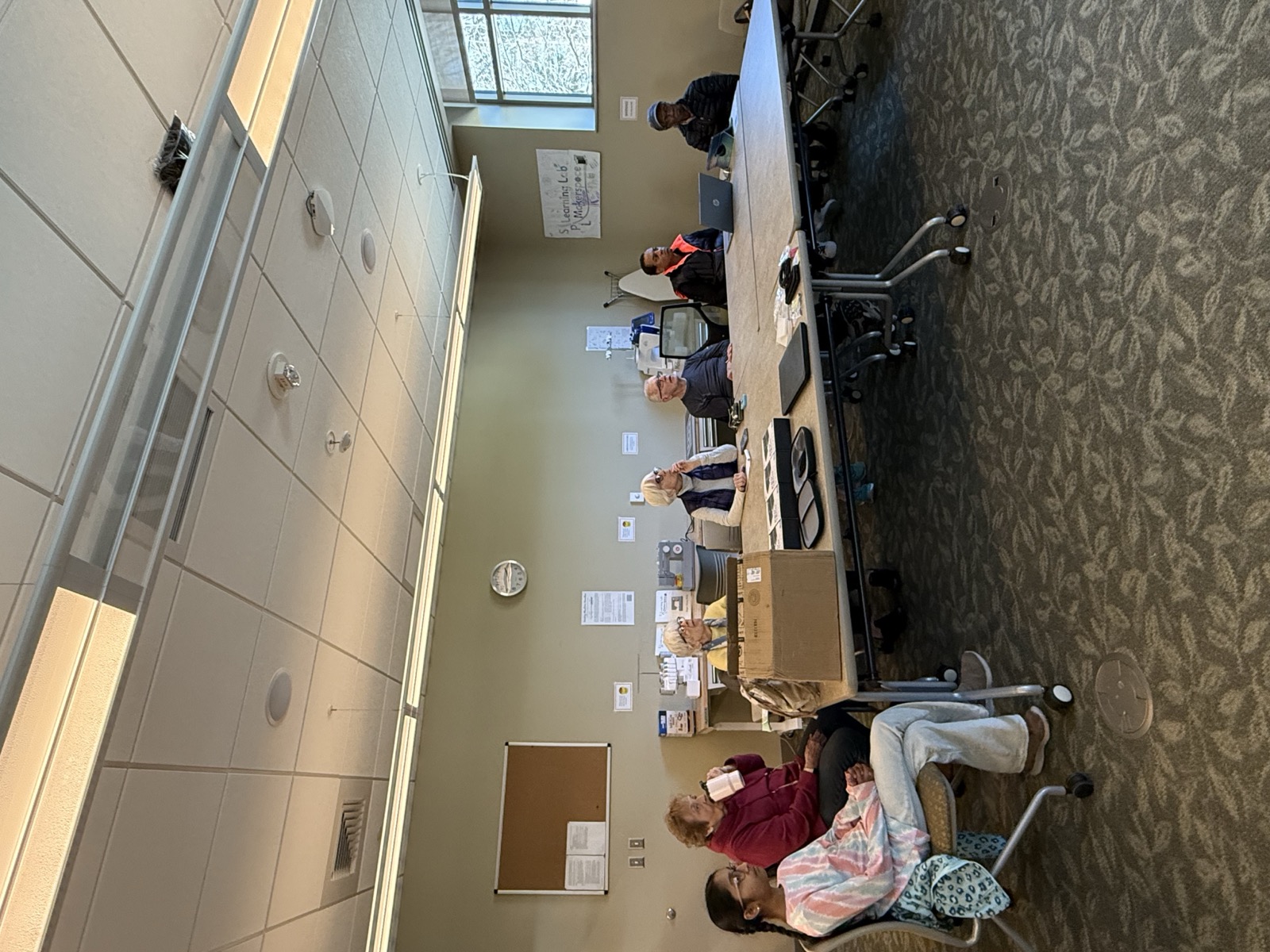
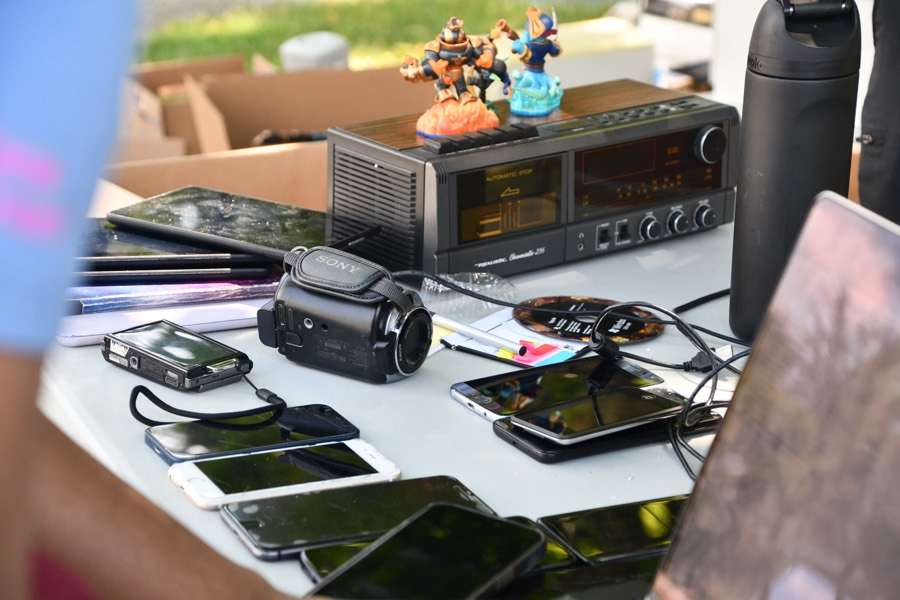
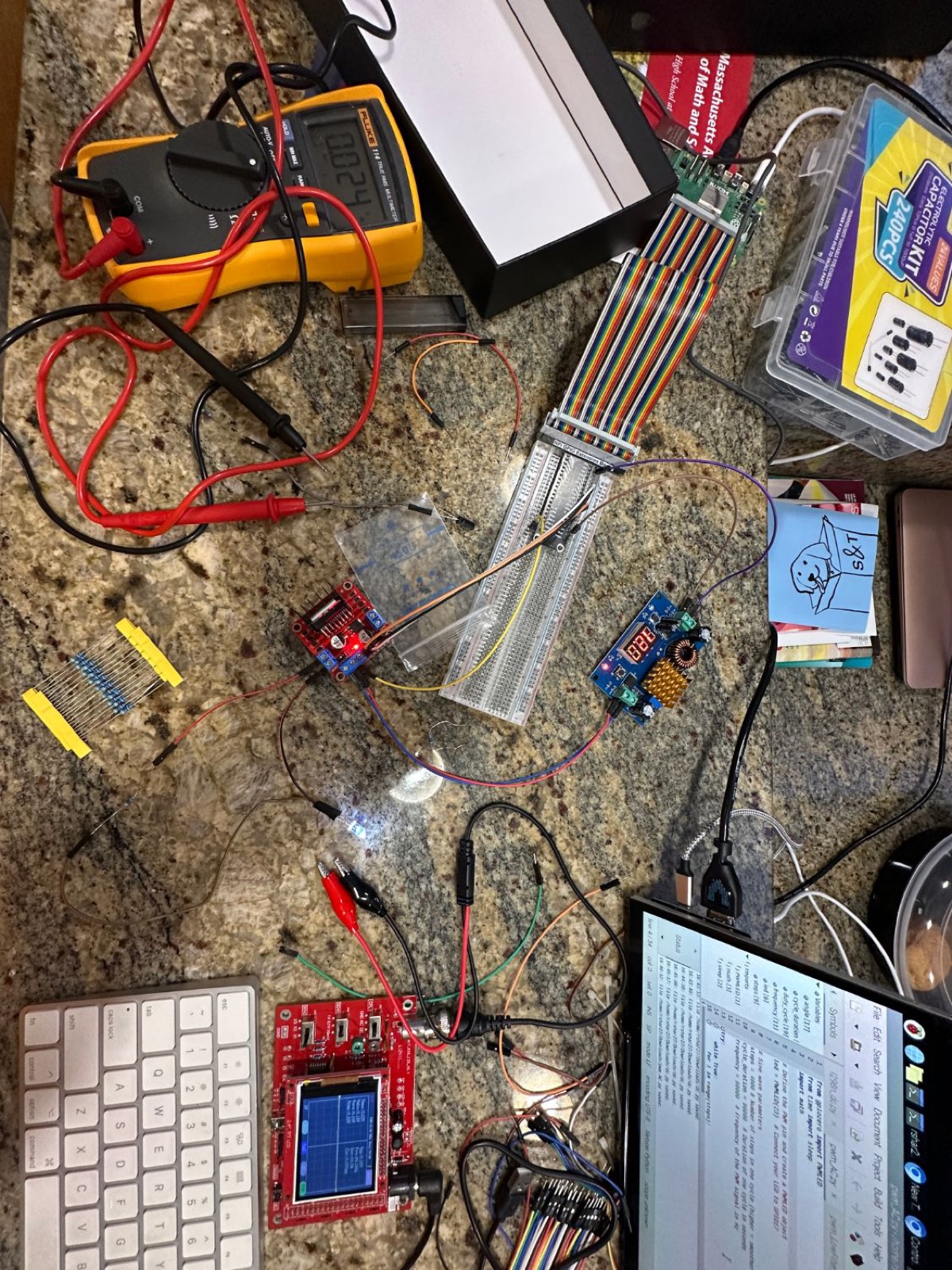
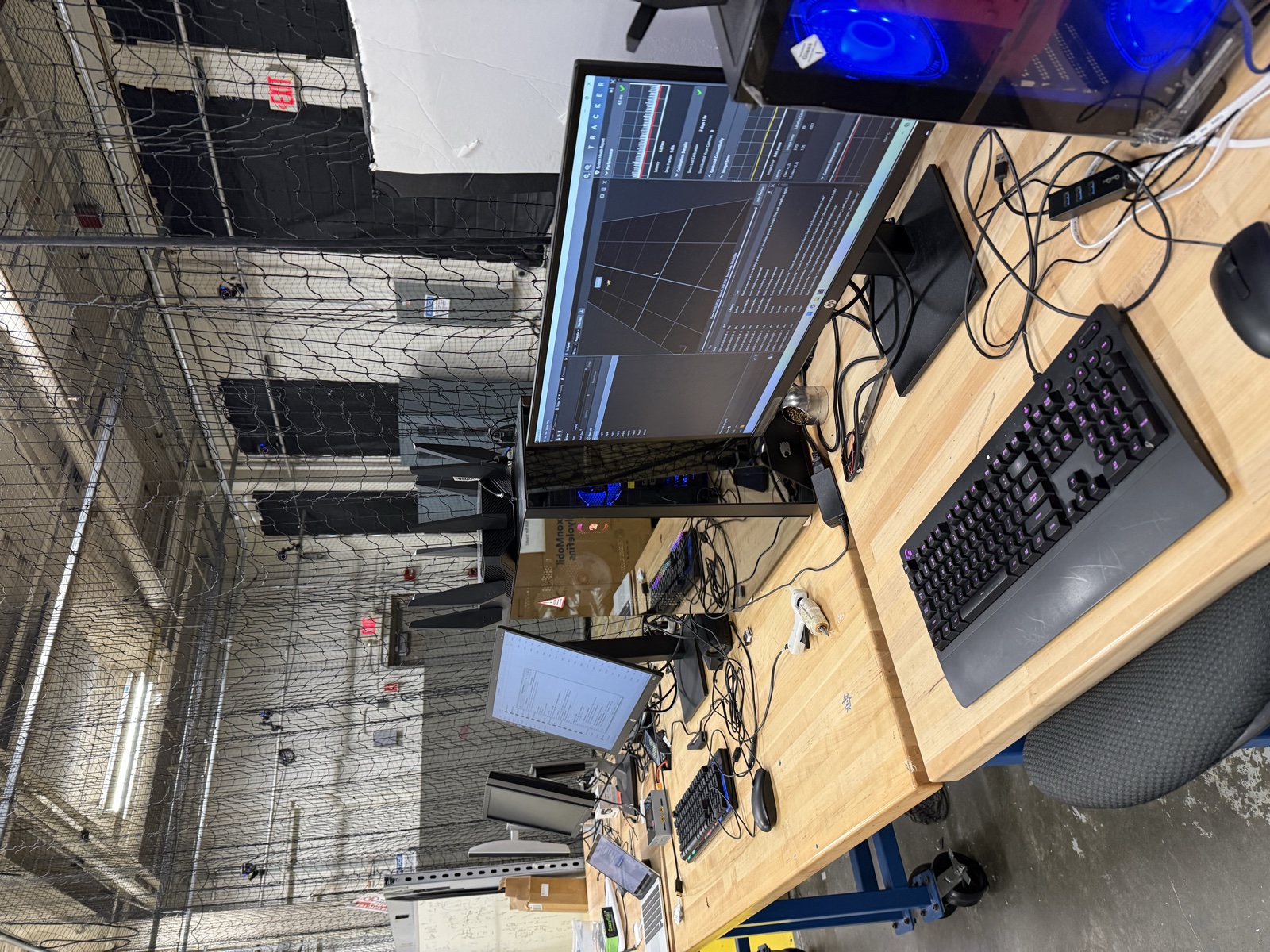
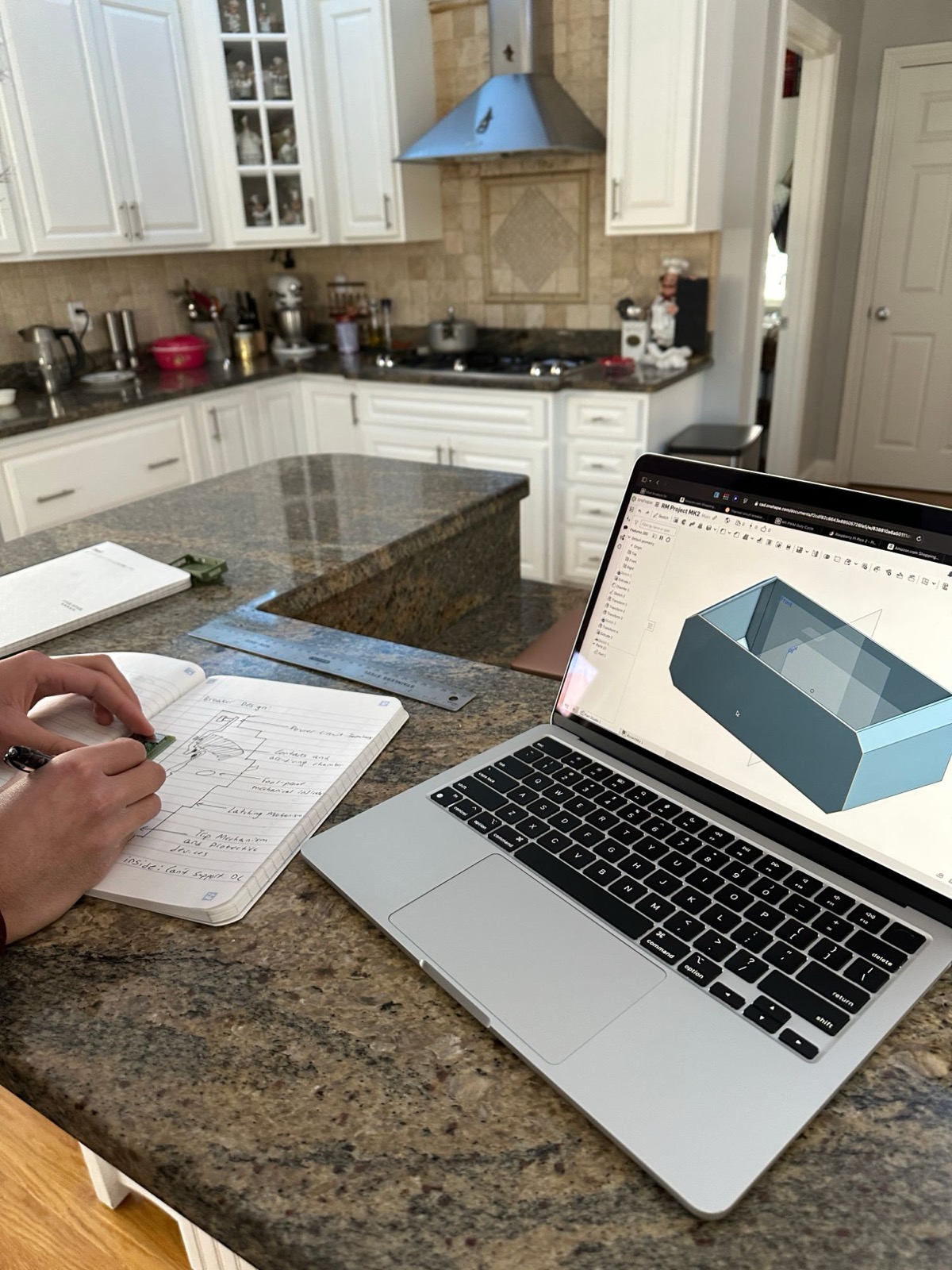
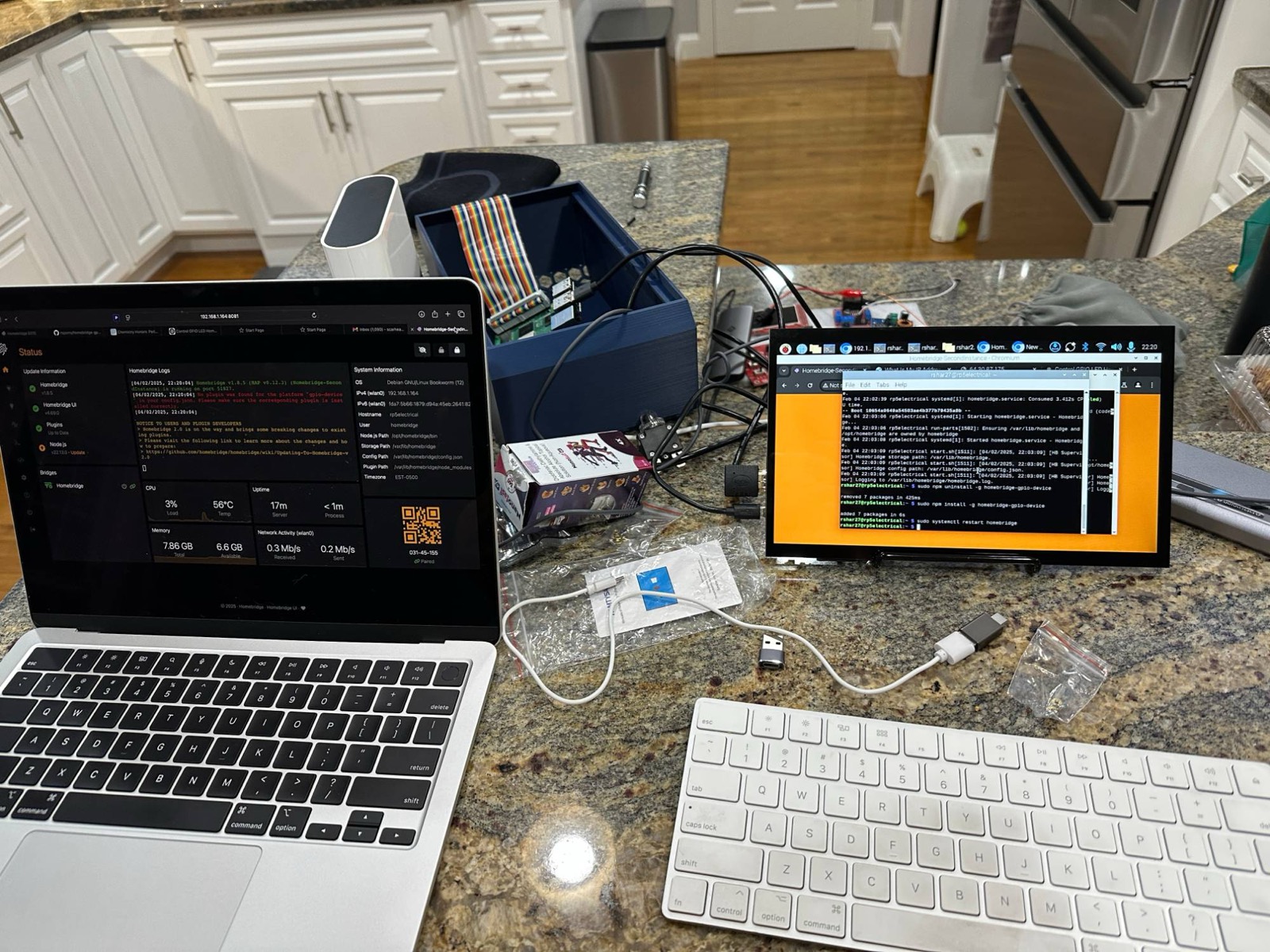
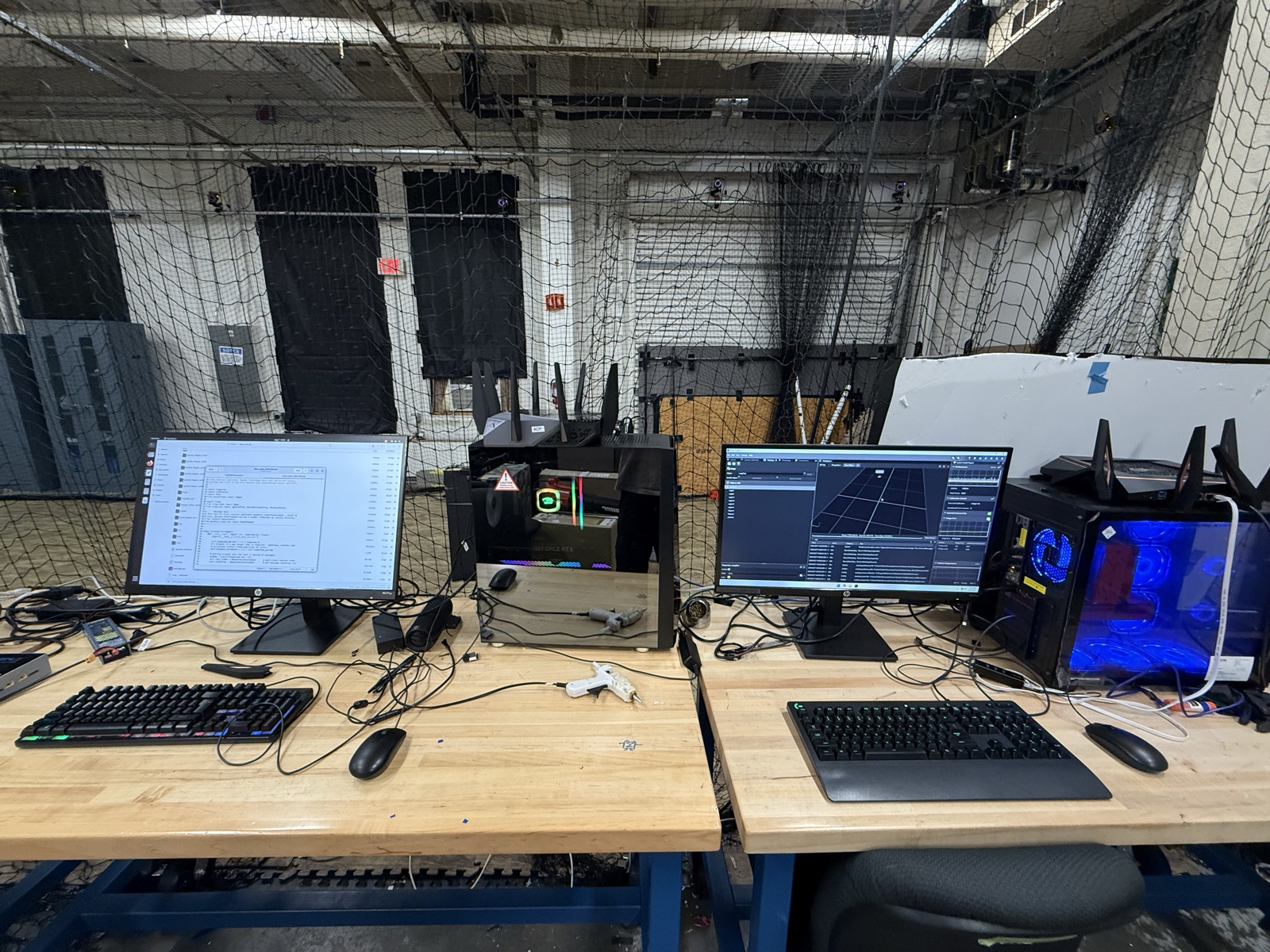
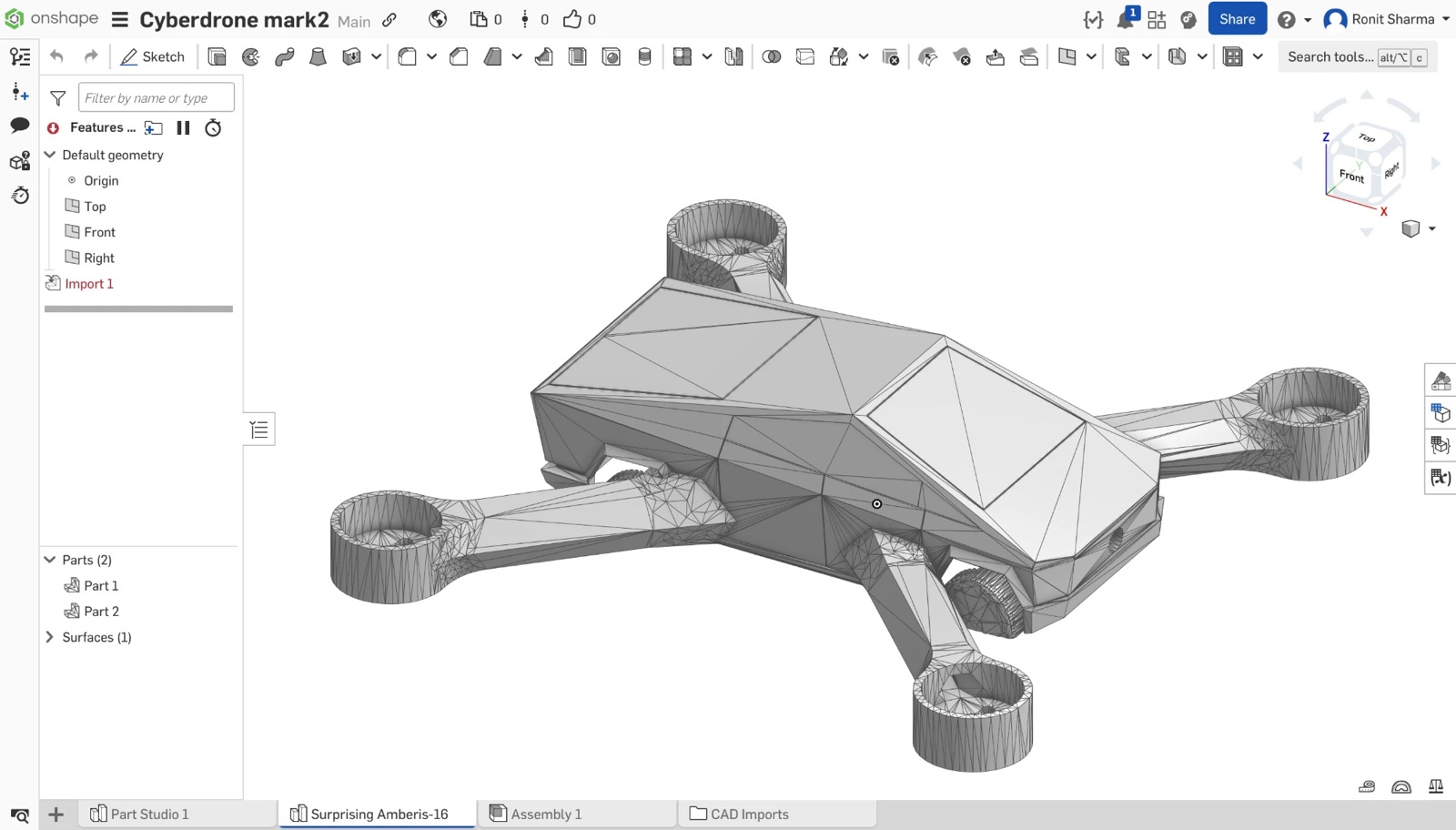
Sustainable innovation is what I truly value. I believe in building — better hardware, smarter systems, tools that solve real inefficiencies — but that comes with responsibility: innovation shouldn't come at the environment's expense. I believe in a circular economy, reusing and repairing what we already have, because what one person throws away is often exactly what someone else needs. It is our duty not to waste water, electricity, food, and materials.
I’ve been taking electronics apart since I was seven. Now I build things that are patent-pending, run nonprofits, and compete in FIRST Robotics. I’m a senior at Shrewsbury High School in Massachusetts.
I work at the intersection of hardware and community. Finding small, stubborn problems and shipping the systems that fix them. Most of what I make starts on a bench and ends in someone else’s hands.
Photo: Suhrit Ghosh · @rivu.jpeg
Most projects start with watching someone struggle, a neighbor, a teammate, a senior at the library. The stuck place is the brief.
↳ In practiceThe 48V idea started when I noticed nearly everything in my house converts wall AC to low-voltage DC, each through its own wasteful little brick. That’s a wiring problem, not an app problem.
Cardboard, breadboards, terrible HTML, whatever ships fastest. The point is to feel the problem in your hands.
↳ In practiceWhen our shooter wouldn’t converge, I stopped testing the whole robot and built a rig that spun only the flywheel. The bad encoder showed up in an afternoon.
Real users break designs in surprising ways. Each cycle gets less ambitious in scope and more honest in detail.
↳ In practiceTAA was pitched as a school club and turned down after five months of planning. We rebuilt it outside school as a nonprofit, and it now runs in five towns.
Documentation, training, open architectures. If a project depends on me being there, I haven’t finished it.
↳ In practiceThe first TAA workshops fell apart whenever I had a tennis match. So I wrote the curriculum down and trained six classmates to teach it. Sessions run without me now.
An Original Prusa MINI+ running a photo queue — each picture develops upward off the bed as the print head climbs, then slides to the output tray. Every filament on the rack is a place I work; drag one onto the spool holder and the printer starts laying down photos from there.
Took apart a remote-control car and never put it back. The screwdriver hasn’t left my hand since.
The online platform goes live and word of mouth carries it. The phone-repair bench and Coco Labs maker work start on the side.
Tech Awareness Association founded — library workshops, senior tech support, e-waste drives. FRC Team 467 begins (Java · WPILib). The stock-research ledger opens.
The 48V DC residential power architecture goes patent-pending. Varsity Tennis begins.
OpenH₂O launches — an AI footprint calculator for TAA. Research begins at WPI in the PeAR lab — autonomous nano-drones. Gras2027 crosses 55,000 monthly active users. Senior year underway.
What comes after high school is still being written. Open to research, hardware, and uncommon problems.
I’m open to research collaborations, speaking opportunities, and interesting problems, especially anything that lives where hardware meets the people who’ll actually use it.